Munnar Tea Country: A Complete Hill Station Guide
What makes Munnar special?
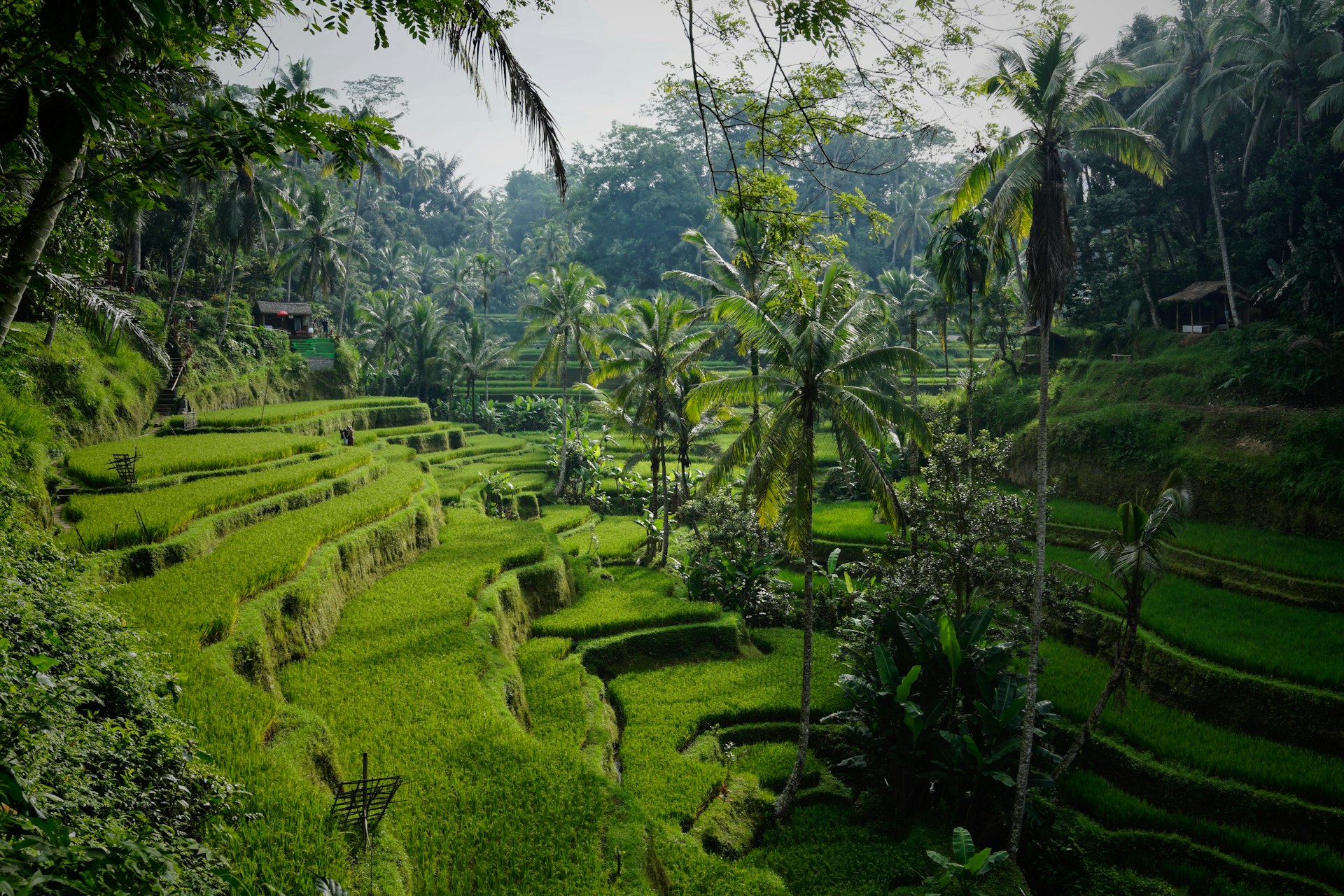
Munnar sits high in the Western Ghats, in Kerala's Idukki district, and it is basically one long green tea garden with a town in the middle. The name points to three mountain streams that meet here, and the tea came later, planted out in the British era and never really left. What you get today is a cool hill station of neat tea slopes, misty mornings and slow, winding ghat roads.
What makes Munnar special for a Surat family is the sheer change of scene. After the warm plains of Gujarat, you climb into crisp mountain air where the temperature drops and the hills glow green. It is scenic without being strenuous, easy to enjoy with children and elders, and compact enough to cover in a couple of relaxed days. That combination is why Munnar is the classic first stop on a Kerala tour.
What is there to do in the tea gardens?
The tea gardens are the main event, and the simplest pleasure is just being among them: walking the paths between the neat rows, watching the pickers at work, and taking in the layered green hills. To understand what you are seeing, visit a tea museum, where you can follow how the leaf is processed from bush to cup and taste the fresh estate tea. It is an easy, informative stop that children enjoy as much as adults.
Around the estates you will also find small shops selling estate tea, spices and homemade chocolate, which make good gifts to carry home. The gardens are working plantations, so stay on the marked paths and follow any local guidance. Early morning, when mist still hangs in the valleys and the light is soft, is the loveliest time to be out among the tea.
Is Eravikulam National Park worth visiting?
Yes, Eravikulam National Park is one of Munnar's finest experiences and well worth a half day. The park protects a stretch of high altitude grassland and shola forest and is best known as the stronghold of the Nilgiri tahr, a mountain goat once endangered that you can often see grazing close to the visitor path. Access is by the park's own shuttle from the entry point, which keeps the fragile habitat protected.
Eravikulam is also the home of the Neelakurinji, the blue flower that carpets these hills once about every twelve years. In a bloom year it is a spectacular sight, but in ordinary years the draw is the tahr, the views and the cool mountain walk. The park can close for part of the calving season, so it is worth confirming that it is open for your dates before you build a day around it.
Which Munnar viewpoints are worth the drive?
Munnar rewards a few short drives to its viewpoints and lakes, each a different angle on the hills. Mattupetty is known for its dam and reservoir, with boating and the nearby dairy farm, while Kundala Lake and the Echo Point stop add easy, family friendly scenery on the same route. Further out, the Top Station viewpoint looks across the state border into the Western Ghats and is famous for its sweeping valley panoramas on a clear day.
Closer to town, spots such as the Photo Point and roadside tea slopes give you the postcard shots without much walking. The main thing to remember is that mist can roll in quickly at altitude, so views are best earlier in the day. Your driver will time the route to give you the clearest conditions, which is one advantage of a private vehicle over doing it yourself.
When is the best time to visit Munnar?
As a general guide, the best time to visit Munnar is the cooler, drier stretch from roughly October to March, when days are pleasant and the views are clearest. This is the comfortable window for sightseeing, the tea gardens are at their greenest after the rains, and the park and viewpoints are usually open and accessible.
The monsoon months bring heavy rain and thick mist. The hills turn a vivid, dripping green that many travellers love, but visibility can drop and some outdoor plans get delayed, so it suits those who want atmosphere over guaranteed views. Whatever season you choose, mountain weather changes fast, so pack a light layer and treat the daily plan as flexible, and confirm current conditions before you travel.
Munnar highlights at a glance
Here is a quick checklist of the main Munnar experiences to help you shape your two days.
| Highlight | What to expect | Time to allow |
|---|---|---|
| Tea gardens and museum | Walk the estates, learn tea processing, taste and shop | Half day |
| Eravikulam National Park | Nilgiri tahr, grasslands, shuttle access | Half day |
| Mattupetty and Kundala | Dam, reservoir, boating, dairy farm | Two to three hours |
| Top Station viewpoint | Panoramic valley views over the Ghats | Half day with drive |
| Echo Point and Photo Point | Easy roadside scenery and photo stops | One hour |
How do you fit Munnar into a Surat trip?
From Surat you fit Munnar in by flying to Kochi, often via Mumbai, then driving up into the hills through waterfalls and spice gardens. Munnar then works best as the opening stop of a wider Kerala loop: two nights here, then down to Thekkady for spice plantations and the Periyar lake, on to Alleppey for the backwater houseboat, and finally to Kovalam beach near Trivandrum. Descending in that order lets the climate warm gently as you go.
On the La Familia Holidays Kerala package, a private air conditioned vehicle links all of this, and breakfast is included at each hotel. Because Munnar is a naturally cool hill station, some rooms there are non air conditioned, which is normal and rarely an issue given the climate. Tell us your dates and who is travelling, and we shape the number of nights and the pace around your group, then send an honest, price on enquiry quote.
Frequently asked questions
Why is Munnar famous?
Munnar is famous as a hill station in Kerala's Idukki district set amid sprawling tea plantations in the Western Ghats. It sits at the meeting point of three mountain streams and is known for rolling tea gardens, cool climate, and the rare Neelakurinji flower that blooms once every twelve years.
How many days should you spend in Munnar?
Two nights in Munnar is comfortable: one day for the tea gardens, tea museum and nearby viewpoints, and another for Eravikulam National Park and the drives around town. On a longer Kerala trip, Munnar usually opens the itinerary before you move down to Thekkady, Alleppey and the coast.
What is the best time to visit Munnar?
As a general guide, the cooler and drier months from roughly October to March are the most pleasant for Munnar, with clear views and comfortable days. The monsoon brings heavy rain and mist that turns the hills vivid green but can limit visibility, so pick your window based on what you want and confirm conditions before you travel.
Can you see the Neelakurinji flower in Munnar?
Only in its bloom years. The Neelakurinji, which colours the Munnar hills blue, flowers just once about every twelve years, so it is a rare event rather than an annual sight. In ordinary years you still enjoy the tea gardens, Eravikulam National Park and the Nilgiri tahr. Check the next expected bloom before planning around it.
How do you reach Munnar from Surat?
From Surat the usual route is to fly to Kochi, often via Mumbai, then drive up to Munnar by road through the Western Ghats, passing waterfalls and spice gardens on the way. On the La Familia Holidays Kerala package a private air conditioned vehicle handles this drive and the local sightseeing.
Add Munnar to your Kerala holiday
Share your dates and group size and we will build a Kerala trip that opens in Munnar tea country, then flows to Thekkady, the Alleppey backwaters and Kovalam beach, with hotels, a private air conditioned vehicle and an honest, price on enquiry quote.